We use cookies to enhance your experience. Essential cookies are required.
4 Ways to Help Motivate Employees During Tough Times
It can be a challenge to keep people motivated and productive in the best of times, but keeping employees energized and working safely takes even more effort during a crisis. It’s natural for managers to ask people to pull together, but you can make that more likely by digging down to understand human motivation.
Read More
By M.B. Sutherland, Sr. Safety Writer, Magid
It can be a challenge to keep people motivated and productive in the best of times, but keeping employees energized and working safely takes even more effort during a crisis. It’s natural for managers to ask people to pull together, but you can make that more likely by digging down to understand human motivation.
What Motivates People?
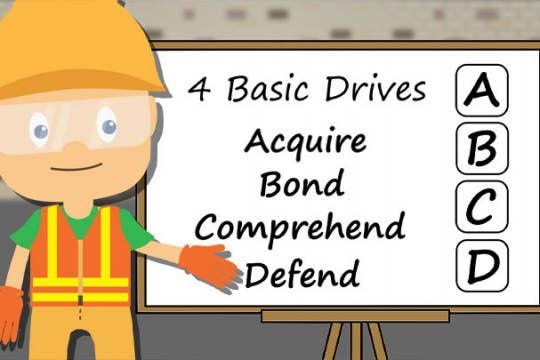
A 2020 Harvard Business School article identified four basic drives that motivate most of us. The drive to:
- Acquire – To get things they need and want
- Bond – To feel they’re part of a community
- Comprehend – To understand their circumstances and options
- Defend – To keep what’s theirs
The more you fill these four basic needs, the better your chance of upping your team’s motivation.

Acquire — Offer Extra Compensation in Tough Times
We all need the basics of survival. In our society, that usually means we need money. Many companies offer extra hazard pay for workers in times of crisis, but not every manager has that option. Even if you can’t give a paycheck boost, you can still provide incentives to help people feel motivated and appreciated.
- Give Small Rewards – Offer small gestures like a cool-looking pair of safety glasses for every worker.
- Add Paid Time – Double up on paid break times once a week to give people a few extra minutes to gather their thoughts or step outside for some air.
- Offer Special Treats – Hold "Free Lunch Friday" once a month with a special meal to show your appreciation or bring in bagels or donuts to start the day.
- Get Creative – Find inexpensive ways that add a little fun like handing out lottery tickets to the first few people to arrive for the day to see if someone gets lucky.
Whatever you decide to offer can satisfy people’s need to get extra compensation for extra effort – even if that effort is just showing up for work during a crisis.

Bond — Increase (Safe) Togetherness
- Keep Holding Toolbox Talks – These meetings serve a vital purpose in issuing safety reminders to make sure everyone understands the day’s plans and give people an opportunity to ask questions.
- Increase One-on-One Time – Take some time to check in with as many employees as possible to see how they’re coping. Schedule a break or lunch with a different person each day or once a week. Take the time to find out how the crisis is affecting them and their families.
- Take Advantage of Electronics – With a cell phone in every pocket, you may be able to start your team’s day by sending a text or email with a safety reminder or even just a quick motivational message. Hold safety meetings via phone-based meeting apps, or even use your breakroom screens or message boards to play fun safety reminder videos. Messages that everyone sees become a shared experience and increase the sense of community.

Comprehend – Keep the Information Flowing
Communication may be the most powerful tool in your arsenal when it comes to motivating workers. Nobody likes to be left in the dark. Modeling calm information sharing gives employees a sense that they know what’s going on and that they have the opportunity to contribute.
- Maintain Your Training – It can be tempting to minimize training time during hard times. But it’s a better idea to increase training during times of crisis when procedures may need to change, and stressed workers may be more distracted.
- Assign Mentors to New Employees – Deputize some of your veteran workers to look out for the newbies. It allows more experienced workers to deliver safety messages in person along with advice and information.
- Host an Expert – If workers are struggling with feeling safe in the workplace, consider asking a medical doctor to give a remote talk where workers can ask questions and separate fact from fiction.

Defend – Eliminate Uncertainty Where You Can
The word defend usually conjures up mental images of war. But on the job, it refers to feeling that one’s job is secure and won’t be taken away on a whim.
- Empower Workers – Provide a sense of empowerment by assigning a point person to be in charge of the safety of each work area.
- Avoid Surprises – Whenever possible, if something is changing, make sure everyone knows about it in advance and knows why it’s happening. Even if you have bad news, it’s almost always better to be up front than to let the gossip start.
- Create a Psychologically Healthy Workplace – With so much stress and uncertainty, it’s easy for people’s mental health to slip too. Send a clear message that you’re there for your employees and that they can come to you or to your HR Department for help with problems. A little mindfulness and caring today may avoid an accident tomorrow.

Get the tools you need to motivate workers, no matter where they are!